Latest News
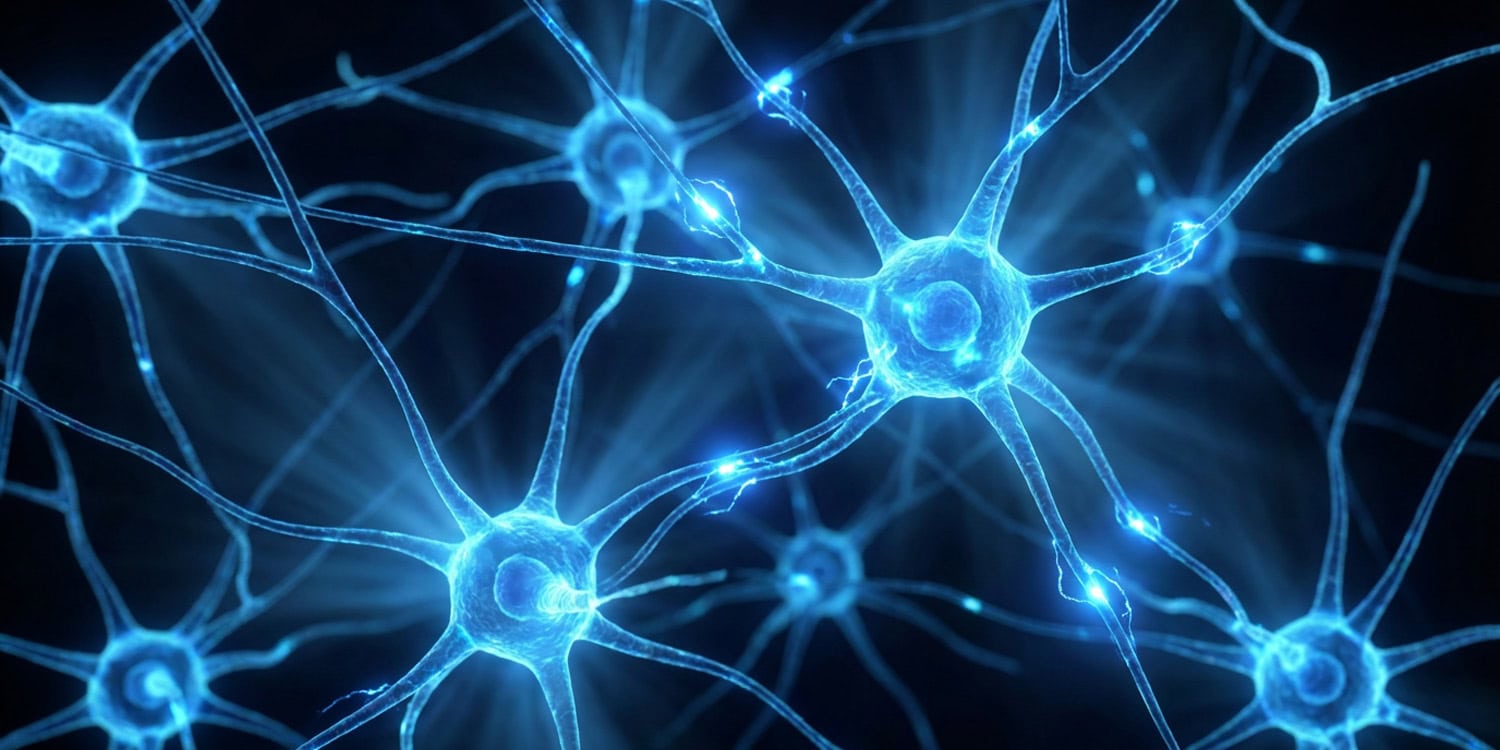 Scientists identify the nose-to-brain circuit that makes slow breathing calmingFudan University researchers traced how nasal airflow reaches the brain's anxiety circuits. Slow breathing through the nose calmed mice; fast breathing did the opposite. A mouse study, so human effects are unconfirmed.Read more →
 Having compassion for oneself is linked to well-being, study findsA McGill survey of 1,200 Canadians found six compassion profiles. Those kind to others but harsh toward themselves showed poorer wellbeing than those whose compassion extended in both directions.Read more →
 Emotional intelligence predicts whether envy leads to self-improvement or hostilityEmotion regulation ability predicted benign envy — the kind that drives self-improvement — but not malicious envy. Emotional intelligence didn't dampen the feeling; it changed where the feeling led.Read more →
 Your mindfulness might determine whether venting helps or hurts your romantic relationshipVenting to a partner about outside stress improved relationship quality for less-mindful people but harmed it for highly mindful individuals, a new study found.Read more →
 Scientists discover new insights into how mindfulness practices shift the brain's neural landscapeMindfulness and compassion programs reshape the brain's activity patterns — quieting self-criticism and strengthening emotional regulation and social connection, new research finds.Read more →
 Mindful use of digital technology could reduce workplace burnout, study findsUniversity of Nottingham researchers developed a validated Digital Mindfulness Scale and found that employees who use workplace technology more intentionally report lower technostress, less exhaustion, and better well-being a month later.Read more →
 Higher optimism is associated with a lower risk of dementiaFollowing 9,071 older adults for up to 14 years, Harvard researchers found each step up in optimism linked to a 15 percent lower risk of dementia.Read more →
 Letting go of a rigid self-image may be the key to meditation's mental health benefitsA four-week trial found both focused-attention and self-inquiry meditation eased depressive symptoms, but only self-inquiry deepened people's sense of connection to others and to nature.Read more →
 How a single mindful moment improves mental health for daysA single mindful moment reduces rumination and intrusive thoughts, setting off a cascade of mental-health benefits that can last for days through greater self-compassion.Read more →
 Does emotional intelligence stop us from being rude? Here's what the science saysA study of 104 bilingual participants found that momentary mood, not emotional intelligence, is the strongest predictor of how people respond to rudeness, challenging assumptions about EQ and difficult interactions.Read more →
 Maintaining a healthy heart may require regular doses of positivityA University of Illinois review of 18 randomized trials found that positive psychology practices like gratitude journaling and mindfulness can lower cardiovascular risk factors within weeks, though benefits fade without ongoing practice.Read more →
 Scientists say 7 days of meditation can rewire your brainA UC San Diego study found that a week-long intensive meditation retreat produced measurable changes in brain activity, immune function, and metabolism, including increased neuroplasticity and natural pain relief.Read more →
 A connection to nature fuels well-being worldwide, according to a study of 38,000 peopleA global study spanning 75 countries found that people who feel emotionally connected to nature report greater hope, purpose, and resilience, with the pattern holding consistently across cultures and economic systems.Read more →
 How to Let Go of Little AnnoyancesGreater Good Magazine outlines four science-backed strategies — mindful acceptance, reframing, self-compassion, and gratitude — for managing daily hassles that can otherwise chip away at health and relationships.Read more →
 What is CBT-i?Harvard Health explains that cognitive behavioral therapy for insomnia (CBT-i), typically delivered over six to eight sessions, uses cognitive restructuring, stimulus control, and sleep restriction to treat chronic insomnia without medication.Read more →
 Study of 12 monks finds meditation heightens brain activity, reshaping neural dynamicsAn international study using magnetoencephalography on Buddhist monks found meditation increases neural complexity and shifts brain activity toward an optimal balance between order and chaos, known as brain criticality.Read more →
 Wendy Wood helps people apply the science of habits in everyday lifeSocial psychologist Wendy Wood explains that habits form through repeated context and reward rather than willpower, and encourages redesigning your environment to make healthy choices automatic.Read more →
 The 10 Most Mind-Blowing Discoveries About the Brain in 2025Scientific American rounds up ten major 2025 neuroscience findings, including evidence of adult neurogenesis, five distinct eras of brain development, and progress toward treating Huntington's disease.Read more →
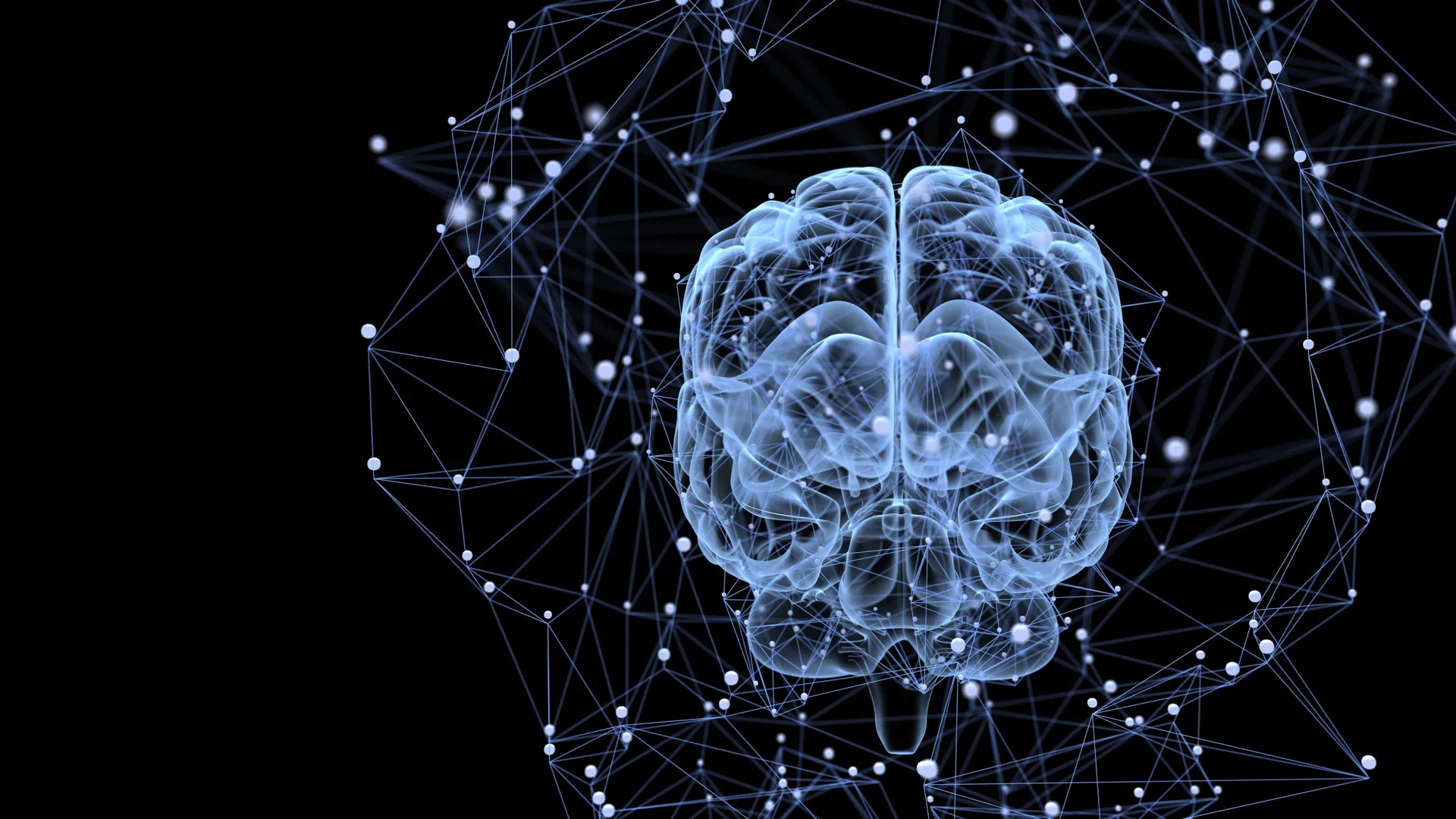 New research reveals how everyday cues secretly shape your habitsGeorgetown University researchers found that shifts in a brain protein called KCC2 intensify dopamine signals in response to environmental cues, helping explain how everyday triggers can quickly cement habits and cravings.Read more →
 Three ways your mental and physical health will benefit from being kinder to yourselfNew research shows that self-compassion can lower the body's stress response and improve how people respond to feedback, boosting motivation and success without the burnout risk of harsh self-criticism.Read more →