Mindful Workplaces

Mindful Workplaces

Mindful Workplaces

Companies are always looking to capitalize on their investments.  Most always want to improve and move forward, and many have been busily adopting a more mindful approach to their employees and customers.  Progressive companies understand that people are at the heart of any organization and without taking care of their people (customers, suppliers, employees etc…) they will not get the expected results or be able to achieve their goals and objectives.  This is why many progressive companies are teaching their employees to become more Mindful at work by shifting to a culture of awareness.

Mindfulness is becoming quite popular in the corporate world.  Human Resources, Wellness Departments and Organizational Development Departments are all creating strategies to capitalize on the benefits of Mindfulness.  There are many benefits for sure but there are ways to implement a Mindfulness strategy to maximize your effort. Essentially Mindfulness benefits can be categorized into two themes.

  • Wellness (Well-being): Stress Reduction, Resiliency, Balance, Reducing Sick Days, Mental Health etc…
  • Leadership and Achievement:  Motivation, Engagement, Teamwork, Productivity, Goals, Communication, Innovation, Creativity etc…

For the company to realize the gains promised by Mindfulness, it must adopt a strategy to create a Mindfulness Culture in the workplace.  To do that, professional development programs and courses must teach Mindfulness skills at their core and then apply these skills to help improve Well-being, Leadership, Achievement, Teamwork, Engagement, Innovation etc…

Many factors come into play when an organization or company initiates training and development programs and courses, be it Wellness or Leadership related.   Companies are increasingly turning to an online or on-demand delivery mechanism.  There are many benefits to be had, such as:

  • Time Flexibility:  Participants can attend the classes when it suits their schedule.
  • Location Independence:  Participants can attend classes wherever they are.
  • Cost Effective:  Online courses can be much cheaper to roll out to large groups of participants.

At Optimistic Brain, we spent many years developing our Mindfulness Professional Development Courses and then making them available online.  We want to help spread the word about the benefits of Mindfulness and allow professionals to use these skills to claim benefits in the workplace and their personal lives.

Mindfulness Benefits in the Corporate World

Mindfulness is a series of practices that one conducts to improve skills in certain mental areas. Focused attention exercises such as Mindful Breathing Meditations can improve focus and concentration. Insight Meditation practices can help improve self-awareness about how one interprets their experiences. This allows one to bring balance into those interpretations by questioning them for accuracy and exaggeration. Balancing these active beliefs balances our emotional states, and thus our actions become more balanced.

This process of balancing our beliefs or what I call Optimistic Re-framing, allows us to be more effective at self-regulation and self-management. Finally, compassion exercises help increase empathy for our fellow employees, customers, and suppliers. Employees become more in-tune to people’s needs and better able to deliver on them. Compassion also motivates people to believe that change is possible and to take action to make change happen. A perfect skill in times of uncertainty.

There are many benefits when companies and organizations adopt a Mindful Culture.  Many scientific studies indicate improvements in many areas.  Not only can practicing Mindfulness help increase focus and attention, but it can also help improve creativity, improve communication skills, reduce stress, enhance teamwork and collaboration, and helps motivate people to achieve goals and objectives altogether; these improvements improve customer focus and overall productivity of an organization.  Finally, taking a more mindful approach builds compassion with employees and customers making the workplace more balanced. This may sound too good to be true, but these claims are based on real science.

Mindfulness is More than a Class

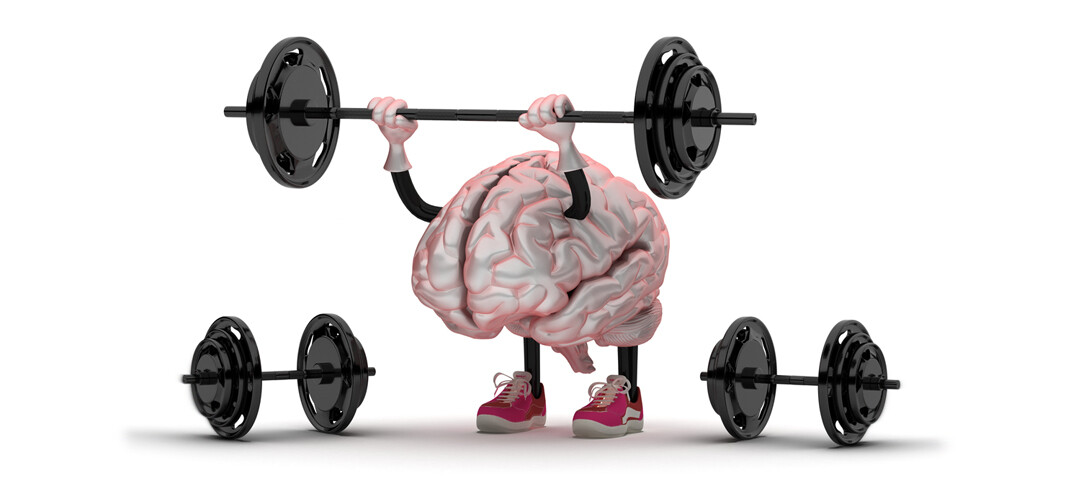
All these skills require practice. With practice, we can become better. The science is very clear on this. Neuroplasticity tells us that what we focus on and pay attention to changes the structure and function of our brains. So practicing the various Meditation practices is essential if we want to see any improvements. This should not surprise anyone since we know this to be true in the physical fitness world. If one does not exercise, they will not become fitter.

Therefore companies who only teach their employees about the benefits of Mindfulness and review some practices are likely not to see any results unless they also encourage their employees actually to practice. It is essential, especially at the beginning, to make practicing easy and accessible. Hosting regular Meditation sits throughout the day may be one option. These can be done in person or via Skype or Google Hangout. Hosting “Mindful Eating” lunches or coffee breaks is another option. Encouraging employees to “Walk Mindfully” every time they walk away from their desks is another option that takes no extra time. Encouraging employees to do mini-body scans for muscle tension is a wonderful way to help teach them greater body awareness. This will allow them to notice stress in the body, and then they can simply “breath into the tension” to release it.

It’s About the People

All of these tactics are wonderful ways to get employees to practice. With practice, you will see improvements in the various skill levels and THEN the company will see some benefits. Mindfulness is not some quick-fix panacea for getting employees to produce more. It’s a series of practices encouraging observation, self-reflection and a wholesome approach to experiencing life. It helps one to move forward in the direction that one want’s to go in. The company will benefit from this eventually, but it all starts with helping the person first and allowing them to practice developing their skills.

Our 4Steps™ approach will train you to develop many skills that will pay off in the future.

Practicing consistently is the key to mastering new skills.

Physical Exercise and Nutrition

Physical Exercise and Nutrition

Physical Exercise and Nutrition

One cannot underestimate the importance of physical exercise, good nutrition and what that does to your brain/body. If your body is not physically functioning optimally, then that will make it tougher to stay with an Optimistic mindset.

The reverse is also true, that a negative mindset will not allow your body to stay healthy.

Physical Exercise

You do not need to spend hours at the gym or train for a marathon to keep your body healthy.  You need to move your body every day.

There are three major reasons why exercise is a great technique to help you retrain your brain.

  • Studies have shown that when you get your body moving, it helps clear your mind by increasing blood flow to your brain, thus increasing clarity and alertness.  When you are in a state of increased clarity and alertness, it will be easier to reprogram your brain to think Optimistically.
  • Exercise also gets you into a state of relaxation and calm, similar to Meditation.  When you are focusing on a physical activity,  your brain does NOT focus on your usual negative situations.  Being in a neutral state allows retraining your brain to think Optimistically much easier.
  • Physical exercise also uses up adrenaline and this is why many people feel more relaxed after exercising than before their exercise.  With this reduction of adrenaline you can implant Optimistic thoughts much more easily.

When you complete any form of physical exercise, this is a great time for you to conduct reciting your Optimistic statements (Affirmations, Counter Points, and Gratitude statements). You are relaxed and focused, so at this point, it is like having a white canvas upon which you can paint a new life picture for yourself—an Optimistic picture.

Eating Well

Eating fresh fruits and vegetables is an important part of keeping your body healthy.  Much has been written about the need for good nutrition, and it is all valuable advice. You do not have to be a fanatical organic eater. Just try to cook from scratch as much as possible and refrain from eating anything from a can or box. It does not take any more time to cook from scratch; you just need to get simple, tasty recipes. The Internet is a great resource.  If you do nothing else, just make sure you drink four tall glasses of water each day.  One in the morning, one at lunch, one when you get home from work and one about an hour before bed. Water is for the body a natural necessity.

Practicing consistently is the key to mastering new skills.

How Our Brain Works

How Our Brain Works

Thoughts/beliefs create our emotions…

Many thoughts pop into our heads, and not all of them create our emotions.  Some thoughts are generated, and we dismiss them as false or unnecessary at that moment.  Other thoughts are generated, and based on our past experiences, we believe them to be true.  These believed thoughts will always trigger an emotional response, which can initially be very automatic.

Actions are ALWAYS taken to move us to a better feeling state…

If we have positive feelings/emotions the actions that will be taken will move us to a better feeling state.  If we have a negative feeling/emotion, this will trigger us to act in a manner that (we think) will make us feel better.

These actions may be conscious, deliberate actions, pre-conscious reactions and/or physical reactions that manifest in your body.  Perhaps you are depressed and need alcohol to soothe a negative feeling. Perhaps you are happy being with friends, so you extend your visit. Perhaps you are scared of spiders, and when you see one, your heart starts to race, and you step backward. Without exception, EVERY action/re-action is a direct response to the thoughts/beliefs in your brain at that very moment.

Change Your Thoughts – Change Your Emotions – Change Your Actions

If you want to change your actions, you MUST start with changing your thoughts/beliefs first!  More precisely, you must change your beliefs surrounding the situation causing your discomfort.  When you change your beliefs, you change the feelings they generate, and thus you change your actions.  When you feel better, you stop needing to numb or soothe yourself (your drinking or overeating will lessen).  When your trust in yourself increases, your fears lessen, and you act bolder and more confident.  When your love of yourself strengthens, you treat yourself better.  When your self-compassion increases, your compassion for others increases; thus, act more compassionately with patience and kindness. It ALL stems from what you believe to be true – about yourself – about your life.

Can you change?

Rest assured that YOU CAN CHANGE!!  You learn new things all the time; you learn how to cook something new, you learn someone’s name, and you learn new skills all the time.

An Optimistic Brain is a brain that generates positive beliefs/thoughts, which in turn causes you to feel positive feelings/emotions. These positive emotions enable you and your body to act positively.  The possibilities of actions that will become open to you will be much greater because you will no longer count yourself out.  These paths that you now can take were always there and were always plentiful – you just did not see them because of your limiting negative beliefs.

Your NEW Optimistic Brain will allow you to see all your life’s possibilities and in turn, will motivate you to choose the actions that will lead you to achieve all that your heart desires!

I have listed many practical exercises on this website that you can do regularly.  They are easy to do.  They do not take that much time.  They work! Just like an athlete who changes his/her exercises regularly, you will want to do different exercises depending on the progress you are making. Changing them up is a GREAT idea, and it is encouraged.

If you diligently practice these exercises, you will be in control of your own life.  You will be in control of your own happiness.  You will be responsible for your own destiny.  You will be the one who chooses paths that are fun and fulfilling.  You will see all the options that are open to you.  The only thing you have to do is to retrain your brain to become an Optimistic Brain, and the rest will take care of itself through renewed self-motivation and drive.

It’s not magic.  It is based on scientific facts and experience.  You are just beginning to open your eyes to the world of possibilities that have been there all along.   That is the real secret!

Practicing consistently is the key to mastering new skills.

It All Starts With Being Mindful

It All Starts With Being Mindful

It All Starts With Being Mindful

What is mindfulness? Mindfulness is all about being aware of what’s going on around us and within us. This is being aware of our thoughts, our emotions and our feelings and our decisions and our actions.

A common misconception about mindfulness is that it is all about meditation. Mindfulness which is awareness, is what you want to accomplish, whereas meditation is how you will accomplish that. You can become more aware by paying attention to what’s going on around you as you’re going around your daily routine, or you can journal about an aspect of your experiences. You can meditate to become more mindful, and you can also meditate to build compassion for yourself and others or to gain greater insight into your active beliefs.

Another misconception is that mindfulness is all about being present. One aspect of mindfulness is attentional awareness, which is knowing where your attention is being placed at any given moment. It can be placed in the past by ruminating about a past experience, or it can be placed in the future where you are worrying about something that may happen. Another aspect of mindfulness is simply the awareness of your body, emotions, decisions, and actions to become aware of those things. Perhaps you may not meditate but do another type of exercise to help you become more aware of what’s happening.

Mindfulness is important because it allows us to make more informed decisions. By being more aware of what’s happening around us and within us and how we interpret what is going on, we can examine our inner dialogue and gently shift it to something more reasonable and balanced.

Science has proven that when we conduct these mental exercises repeatedly, our brains develop new neural pathways making this way of thinking more accessible and automatic.

Remember that whatever you want to accomplish starts with being more mindful and is the first step in our 4 steps approach.

Practicing consistently is the key to mastering new skills.

Benefits of Mindfulness

Benefits of Mindfulness

Benefits of Mindfulness

There are many benefits to practicing being more Mindful.  Here are some highlights…

Focus Increases

Learning to increase present-moment awareness allows us to gently guide the mind back to what the intention of the moment is thus increasing focus.  Extended focus is called concentration.

Creativity Increases

When awareness of our limiting stories about our abilities and ideas increases, we are then able to manage our perceived limitations.  When this negative chatter is diffused, it allows us to be free with ideas, experiment and think “outside the box.”

Empathy Increases

When our understanding of ourselves increases, we gain greater insight into the people around us.  We can better understand not just how the people around us may feel but WHY they feel this way.   This insight allows us to become tuned in with actual needs for ourselves and others thus granting us the opportunity to better align our personal objectives with them.

Compassion and Understanding Increase

When compassion and understanding increase, we free ourselves up from the “blame game”.  In this way, failure is looked upon as just feedback, and this mindset allows us to be free to try new things and be more helpful.

Stress Decreases

When we start being proactive and managing our beliefs, we effectively manage stress more productively.  Stress is just a manifestation of our inner fears.  When we gain trust in ourselves, our fears lessen, and we see challenges as opportunities. This opens us up individually and collectively to larger goals and aspirations.

Physical Wellness Increases

Our minds have a huge impact on our physical well-being.  Improving our mind-wellness results in overall improvements in physical health.

Patience Increases

We learn to accept what is and what is needed to move forward in a positive direction.  This is the definition of being patient.

Resiliency Increases

Becoming resilient means we bounce back from adversity or setbacks. We view setbacks as learning experiences and feedback as opposed to failure.  Mindfulness allows us to be aware of the negative chatter when adverse situations present themselves.  We learn to assess our thinking and beliefs more objectively and not judge ourselves as bad when adversity happens.  We learn to put the past behind us through acceptance and focus on the present moment moving forward and starting over.

Productivity Increases

All of the positive gains resulting from Mindfulness practices together greatly impact our productivity and efficiency.  We can accomplish way more than we initially thought because we have tools to guide our thinking in a positive direction.  When we struggle less, our energy levels remain stable, which allows us to go the distance.

Practicing consistently is the key to mastering new skills.

Optimistic Re-Framing

Optimistic Re-Framing

Optimistic Re-Framing

What is Optimistic Re-Framing

Optimistic re-framing is all about changing your beliefs/stories.  Neuroscience tells us that we CAN change.

Our active beliefs cause our emotional states, and those play out in our bodies. Our beliefs, emotions and body sensations together make up our FEELINGS. Our feelings drive our decisions, and that influences our actions.  If you want to act or feel more balanced, then you must change the stories/beliefs that you say to yourself to something more balanced. Our beliefs/stories can be difficult to know fully. They can be very automatic and subconscious. Mindfulness allows us to sit and investigate our bodies, emotions and thoughts/images to gain insight into our beliefs/stories. Knowing them in great detail allows us to change them to something different, something more balanced.

Optimistic Re-Framing is a general competency term that describes the process that allows us to change our beliefs or shift our attention to a belief (interpretation of what is happening around us or within us) to something more reasonable. When we start to shift our beliefs away from exaggerated, inaccurate and negative views, we shift how we feel about ourselves and our lives.  This shift then allows us to be more confident and become better leaders; we trust ourselves and our abilities and thus reduce fear and anxiety. Ultimately when we shift our self-views to something more balanced, we thrive.

The skill of noticing what beliefs are active at any given moment is called Mindfulness, and shifting or redirecting these beliefs to something more realistic is called Optimistic Re-Framing. There are a number of exercises that one can do to help notice and then change these beliefs – even the automatic and subconscious ones.  When our skill level increases with practice, we will begin to notice that our ability to bounce back (regain balance) from challenges or changes increases.  This is what resiliency is, and it is a trainable skill.

Cross-Train Your Brain

There are many exercises that one can do to start your brain generating Optimistic beliefs/thoughts automatically. Each is valid in its own right however, you may find that some are better suited for you at this moment in time.

Athletes use various exercises for cross-training their muscles, and you can do the same with training your brain. These exercises are the component exercises that you can use. We all can become accustomed to doing the same things over and over again, whereby we do not pay attention to our routines anymore. Changing up your routine keeps it fresh and interesting, and you keep progressing forward.  

This is the CRITICAL step that very few people talk about, and yet it is 100% necessary.

Regularity and consistency is the key to success. Conduct these exercises regularly, and you will be amazed at how effective they really are! Be gentle with yourself as you progress. There may be days that you think you have reverted to your old habits – rest assured that you have not. It is normal to revisit some issues you thought you got rid of. You likely did not regress as far as you were, nor did you stay in a negative mood for an extended period of time like you used to.

When you start on your path to thinking better, you are on the path to changing your beliefs, beliefs that you have likely had for many years. It may take time to change these deep-rooted beliefs. When you start to change your negative thinking to more Optimistic thinking (I call this moving up the Optimistic ladder), notice if you are not “buying in” to these new ways of thinking.  When you try to move too far up the Optimistic ladder too quickly, in one step, you may trigger a thought of “ya right – that’s not true.” This is your dismissal mechanism kicking in. When this happens to you, then dial back the level of Optimism. Reach for a new thought that is not as high up the ladder.

If for example, you are not feeling attractive, then reach for a thought referring to something that you do find attractive in your appearance. Perhaps you like your lips or your ears or your arms etc.  Once you focus on those things that ARE attractive to you, you will have room for improved thoughts of “I have many attractive qualities,” etc. Eventually, you will end up with new beliefs such as “I AM attractive to some people”  to “I AM attractive to many people,” and finally ending up with “I AM attractive … both inside and out!”

Don’t just stop when you are feeling a little better – keep going, and you will feel better and better every day!

Check out the various exercises in this app.  

Practicing consistently is the key to mastering new skills.

Affirmations

Affirmations

Affirmations

Affirmations are the granddaddy of all optimistic thinking exercises.  You can and should definitely use affirmations in addition to the other exercises listed on this site.

Some people may not believe that affirmations work.  Recent findings in neural science tell us that our brains can and do change throughout our lives.  What we focus on and pay attention to changes the structure and function of our brain.  In other words, as we practice repeating a mental pattern (saying an affirming statement or beating ourselves up for our failures), this develops neural pathways that become automatic over time.  Much of our time is spent reciting a negative narrative, and consciously narrating something more balanced and Optimistic will eventually take hold.  This concept is called neuroplasticity.

Affirmations are positive statements that, when repeated regularly, can re-train your brain to generate Optimistic thoughts automatically as a default. Do they really work?  YES!  If I was to tell you every day for the next 30 days that I told a child that they were not a nice person?  What if I pointed out all the times that they were rude to someone or dismissed someone or were short with someone, or got angry at someone? What would this child think about themselves as the days passed?  Would they start to believe that they were indeed not nice? Everyone would agree that this is not a good way of dealing with a child, yet that is EXACTLY how we treat ourselves.  If

Suppose you believe that negative chatter and pointing out examples affect a person negatively. In that case, you must also believe that saying Optimistic things to a person has the opposite effect – they will start to think better of themselves.

The key here is to start small and be realistic.  Say affirmations that will gradually shift your thinking.  You don’t have to be completely positive at the beginning.  You can focus on the things that are real, no matter how small.  Gradually you can build up the scope of your affirmations to the point where you can say grand positive statements that you will really believe.

Examples:  If you want to have more confidence, then you may say the following affirmations:

  • I am confident in some of my abilities – for example.
  • Some people like what I have to say.
  • I am smart in many areas and have a wealth of knowledge to share with the people around me.
  • I have many abilities that I am proud of.
  • I am getting more confident every day.
  • I do like my hair.
  • I like my ears.
  • I like my hands.
  • Etc.

Affirmations are done in a variety of ways.  When you use them while you meditate, people call them mantras.  People call them visualization when you use them to imagine a positive outcome.  Cognitive Behavioral Therapy calls affirmations “balanced thoughts” and encourages the practitioner to write them down on paper. Whatever you believe them to be, rest assured that AFFIRMATIONS DO WORK!

Practicing consistently is the key to mastering new skills.

Counter Pointing

Counter Pointing

Counter Pointing

Counter Pointing is a method of replacing negative thoughts with positive ones. If you are familiar with Cognitive Behavioral Thereby (CBT), then you will recognize this way of thinking.  It essentially is an exercise that asks you to look at your negative thoughts and justify them.  This exercise asks the question:  Where is the evidence for your negative thinking?  Are you “assuming” some facts? Are your negative assumptions 100% true 100% of the time?

For example, if you are feeling fearful about flying then you are thinking negative thoughts (which you believe to be true) about the activity of flying. First, you need to identify your exact thoughts.

Finish the following sentence:  “When I think about flying, I feel _____ because I think _____ may happen.”

Once you have identified the thoughts, you can then start adjusting them slightly so that you are starting to feel better.  It is unnecessary to attempt to completely overcome your negative thoughts the first time you try this technique.  What is important is that you gradually coax yourself into feeling better a little at a time.

Here are some replacement thoughts (counterpoints) as an example to overcome the fear of flying:

  • There are thousands of flights every day that leave and arrive safely.
  • I have flown before, and nothing bad has happened.
  • Turbulence on an Airplane is just like bumps on the road when I drive.
  • I will enjoy having the time to read a book when I am on the airplane.
  • etc.

Another technique is one that Cognitive Behavioral Therapists (CBT) use.  They call this “thought records”.  Here is the process to deal with beliefs that are triggering anxiety, depression or feelings that are uncomfortable.  You can do this exercise when you are in the moment of experiencing intense feelings or reflect afterward on a particularly challenging incident:

  1. Begin by writing down how you are feeling at this very moment.
    • What emotions are present?  See if you can uncover all of them, not just the major ones.
    • On a scale of 1 – 10, write down how intense or uncomfortable these feelings are.
  2. Now write down what beliefs are present about the present situation that is causing you to feel this way.
    • You must be very honest about what your beliefs really are.
    • Quite often, our beliefs are rather strange, so do not pretend these ODD beliefs are not present just because you are embarrassed by them.
  3. Now right down the evidence to support these beliefs.
    • Make sure you state real evidence and not just potential evidence.
    • Pretend you are talking to your best friend is experiencing the same feelings.  How would you help them identify the evidence to support their beliefs?
  4. Now right down the evidence that refutes your beliefs.
    • Pretend you are talking to your best friend who is experiencing the same feelings.  How would you help them identify the evidence to refute their beliefs?
  5. Now write down how you are feeling.
    • What emotions are now present?
    • On a scale of 1 – 10, write down how intense your feelings are now.

We almost always exaggerate our beliefs.  We catastrophize our beliefs, and this exercise teaches us how to address our faulty thinking realistically.  By doing this exercise, we can come to a place where our beliefs are more balanced and realistic, and this balances our emotions and body sensations.  Generally, when you complete this exercise, you will see a shift in how you feel.

Note:  There is value in actually writing down your analysis on paper.  It helps solidify the perspective.

The great thing about Counter Pointing is that it can be used while you are in the midst of an uncomfortable situation and the basis for your daily Optimistic self-talk.

Use your counterpoints as affirmation statements or mantras when you meditate, write down in your Writing/Journaling exercises, or use them when you conduct your Mirror Exercises or to use when you Counsel Yourself.

Remember that neuroscience tells us that what we focus on and pay attention to changes the structure and function of our brain.  In other words, doing exercises like this alters our neural pathways, and these become more automatic over time.  This concept is called neuroplasticity.

Come up with Counter Points regularly. The results will amaze you.

Practicing consistently is the key to mastering new skills.

Mantras

Mantras

Mantras

Many people not only focus on thoughts and body sensations as they Meditate, but many people also focus by way of reciting Mantras.

A mantra is a repeated word or phrase used as a form of meditation or concentration. It is often used in mindfulness practices and is believed to have the ability to improve mental and emotional well-being.

One study published in the International Journal of Yoga examined the effects of mantra meditation on stress and well-being among college students. The study found that practicing mantra meditation significantly reduced perceived stress levels and improved overall well-being among the participants.

The researchers concluded that the repeated use of a mantra during meditation can help individuals focus their attention, regulate their breathing, and enter a state of deep relaxation. This can lead to a reduction in stress and anxiety and an improvement in overall mental and emotional well-being.

Mantras can be used while you meditate.  They are identical to Affirmations, Counter Points or Gratitude Statements. Feel free to use your custom mantras, targeting your specific negative thinking) and recite them slowly over and over again. Breathe between each statement, and don’t rush – be gentle and patient. FEEL each word as you recite your Mantra statements. Work slowly up the Optimistic ladder over time.

Neuroscience tells us that what we focus on and pay attention to changes the function and structure of our brains. Saying affirming Mantras changes the areas of the brain associated with positive feelings, affiliation etc…  When this happens, our thinking starts to change and become more automatic. Our negative stories diminish and our positive outlooks dominate more often.

Give it a try!

Practicing consistently is the key to mastering new skills.

What is a Meditation Practice

What is a Meditation Practice

What is a Meditation Practice

People have been Meditating for centuries.  Meditations are commonly used to help people relax. That is a helpful tool to use in our daily lives but Meditation is much more than that.  The practice of Meditation can be used to teach us to Focus, be Patient, be Present and to Observe what is with no judgment.

Meditations are exercises that we practice that are designed to help focus your thoughts on one thing; perhaps you choose to focus on your breath or your emotions or on your body sensations.  When your mind wanders (it always will), you gently guide your attention back to your object of focus. The point is NOT to NEVER have a wandering mind (you will always have that) but rather to practice NOTICING when your mind wanders and gently guide it back in a nonjudgemental stance. The more you practice, the better you will be at this observation. The more you notice your mind wandering, the more you can gently guide it back to the present focus.  Over time you will notice that you do not wander as much, but that is a benefit, not the goal.

This helps you in your daily life when your mind is focusing on something negative, for example.  Perhaps something has happened in the past or you fear something negative happening in your future, or maybe you are focusing on something negative in the present moment. Regardless of what your negative chatter is, you can utilize what you learned with your Meditation practice by directing your focus to something neutral or even Optimistic or maybe you just need to be a neutral observer. Your Meditation practice has taught you to do just that!

Meditation practices can be divided into four functional groups. Each group builds on the skills of the previous group. If you are a newcomer to Meditation, then start with Mindfulness meditation for the first two weeks or so. Check out the other types…

  • Attentional Awareness Meditations
  • Self-Awareness Meditations
  • Compassion Meditations
  • Optimistic Re-Framing Meditations

Start With A Breathing Meditation – An Attentional Awareness Meditation

Conduct your Meditation practice by sitting in a comfortable chair with your feet on the floor and hands in your lap. Close your eyes and focus on your breathing. Pay attention to your breath going in and out. You may even want to say to yourself “in” and “out” as you breathe. Stay on this Meditation for the remainder of your Meditation exercise. When your mind wanders, then notice that it has wandered and gently start over. Do not judge yourself because you wandered, just observe that you did and gently start over. In reality, when you focus your mind away from your negative chatter, you will shift your emotions and improve the way you feel. The ability to start over from this moment on is very helpful when you get caught up in the “drama” of your mind.

Other Types of Mindfulness Meditations:  Awareness Meditations

Start with your Breathing Meditation, and after a few minutes, you can start to observe what is troubling you. Perhaps you are freaked out by your body sensations (your light-headedness or your racing heart), and you think there is some catastrophic illness that is afflicting you. Perhaps you have negative or racing thoughts, and they are bothering you. Perhaps you are afraid of your emotions because you somehow think they will overtake your ability to be in control. Remember, it’s your negative belief that something is wrong that is causing your negative emotions.

Observing these sensations or thoughts while you meditate and just noting them (not judging them) is what you are doing with this Meditation practice. While you note what is happening, for example, you can say “thought”, “thought”, “sensation”, “thought”, “sensation,” etc. You are not changing the thoughts or sensations; just observing them. This exercise teaches you not to judge what you observe; just notice them as something neutral. If your mind wanders away with one of these thoughts or emotions or sensations, simply guide it back and start over, noting again.

When you release the judgment on your thoughts or sensations, or emotions, you are releasing the belief that you have in them, and thus you start to release the negative judgment you have about yourself. This is the start of your detaching yourself from the belief that there is something wrong. This is what some people call putting some space or distance between your thinking and reacting.

As I have said before, when you change your beliefs, you change your feelings! Meditation can help change your negative beliefs simply by observing them as passing; they are not you, they are just thoughts or emotions or sensations.

How Long Should You Meditate?

One does not need to do meditations for extended periods of time for them to become effective. The science tells us that regularity is the key to gaining benefits.  Just start off slowly for 10 minutes, and then you can work up from there. If you really don’t have 10 minutes to spare, then just do 1 minute – Mindfully take 15 slow, deliberate breaths.

Practice makes perfect.

Practicing consistently is the key to mastering new skills.

Visualizations

Visualizations

Visualizations

Visualizations are one way to really implant an Optimistic mindset into your brain.  They are particularly helpful when you are presented with a situation that is troublesome.

If you have to speak in public, attend a dinner party, travel in an airplane, go out on a date or any other real-world situation/event that may cause you some fear or uncomfortable feelings then there are 2 visualization exercises that will help you.

Visualizing a Positive Outcome

Start with creating some positive Affirmations, Counter Points or Gratitude Statements. While you are thinking about or reciting your positive statements, you should close your eyes and picture yourself in your future in that very situation that you fear. When you visualize this event, play the story in your mind the way you would like it to happen.  Imagine yourself with confidence, aptitude and success.  Really FEEL this future situation as if you were right there.  Pretend that everything is going very well in this visualization.

Athletes know full well the power of visualizing.  In addition to physical training for the big event, they also know they need to see themselves participating in their event visually.  They picture the race or routine to become accustomed to the craziness of the day.  It is a way of conditioning their brain to block out the negative external stimuli so they can fully concentrate and execute the physical requirements leading to a successful result.

You will be doing the same thing.  As you visualize yourself accomplishing your goals, let your feelings be your guide.  Think about or recite your positive statements as you visualize the final outcome.

Visualizing Your Fears Away

Visualizing your fears disappearing is a great technique that you can use that will dramatically improve your confidence. If you are paying attention to your thinking, you are likely well aware of some of the negative beliefs you have about yourself and your life and the people around you. Sometimes we may have problems shaking them free, and they keep coming up repeatedly.

Many times fighting your negative thoughts to go away causes them to appear more and more. It’s like you want to keep a number of beach balls submerged under the water, and you are constantly fighting to keep them under. It’s a never-ending battle, and you just get tired and frustrated. Here is another approach…

Sit comfortably with your hands in your lap. Close your eyes and start to breathe deeply in and out; breathe from your abdomen/belly. Breathe in through your nose and out through your mouth. (Make sure your OUT breath is longer than your IN breath; for example, take 4 seconds to breathe in and 7 seconds to breathe out.) Do this for 3-4 minutes. Now visualize yourself exhaling a green cloud of positive energy out your mouth directly in front of you. Do this for a couple of breaths.

Now take one of your negative beliefs or fears – say it’s a belief that you are not worthy of having a nice partner (boyfriend or girlfriend). Picture this negative thought (or fear) as a yellow ball (like a baseball), and it is in front of you. As you breathe out, breathe this positive green cloud over the negative yellow ball. With each breath picture, this yellow ball getting smaller and smaller and watch it move farther and farther away from you. Repeat to yourself, “I release this belief. I accept that it is done. I am at peace..” Ultimately this yellow ball will be gone.

Take a couple more breaths and then choose another negative thought or the same one and repeat, blowing the positive green cloud onto the yellow negative fear or belief. Picture the yellow ball getting smaller and smaller and farther and farther away from you. Repeat to yourself, “I release this belief. I accept that it is done. I am at peace.”

Repeat this exercise over and over again for around 10 minutes. Do not rush the breathing or rush through a lot of your negative or fearful issues. Usually, 3 or 4 issues are enough to deal with in one sitting. Breathe deeply and slowly for a few more minutes.

To end your session visualize yourself as a confident and radiant person. Picture yourself as someone who no longer has these negative beliefs and fears anymore. After a few minutes of visualizing then, slowly open your eyes and get reacquainted back with your surroundings. Do a big stretch with your arms wide and standing tall! Accept your newfound confidence!

This exercise of blowing the negative thoughts away and making them small is a great way to teach yourself to minimize the importance of these negative thoughts. It helps distance yourself from these beliefs. When you stop believing your negative thinking (or even start to believe them less and less), they will no longer cause any more negative emotions. NOW when you replace them with Optimistic beliefs, then you WILL start to feel better.

Some of the negative beliefs that you may have to work on may likely have to do with your lack of self-worth, fear of negative judgments, fear of making a fool of yourself, fear of losing control when anxious, fear of fainting when anxious, fear that you will always feel bad and never get better, fear that there is something wrong with you, fear that you are not lovable, thoughts that you are somehow damaged and inferior etc.

Please do this exercise for a couple of weeks and keep doing it regularly from time to time, even though you feel great. When you do this exercise, even though you feel great, it places you in maintenance mode, and as things come up, it will ensure your Optimistic Outlook remains!


Practicing consistently is the key to mastering new skills.

Writing and Journaling

Writing and Journaling

Writing and Journaling

Writing down your thoughts has a tremendous impact on how you learn.  Many studies have shown over and over again that people who write down what they learn have a greater chance of remembering the new teachings.

There are several writing techniques that you can implement (depending on what you want to improve) that will help you move away from the habitual negative thinking.

Grateful Writing

Take 10 minutes at the end of the day and write a small recap of what happened. Purposely write down all the positive aspects of your day. Maybe someone smiled at you. Maybe you did a favor for someone. Maybe you found a penny. etc…

No matter how small, write down these things regularly. This will help your mind to automatically recognize AND focus on the positive aspects of your life instead of the negative.

Writing to Release Negativity

Take a few sheets of paper and write down ALL the thoughts that come into your head;  all the good and all the bad and do not censor your thinking.  Keep writing as fast as the thoughts arise, and do not go back to edit anything, even if they make no sense. Fill a couple of pages or write until 10 minutes are up.

This exercise helps release all the pent-up thinking that you may be suppressing and at the end of this exercise, take those sheets of paper and cut them up into very small pieces and throw them away.  When you do this, say to yourself – “I release these negative thoughts.  They are just thoughts, and they are not me.”

This exercise helps release your belief in your negative thinking, and as you know by now when your beliefs change, you change your feelings and actions.

Affirming Writing

When you have developed some Affirmations that are appropriate to your situations, take a few moments and write them down over and over again on a sheet of paper.  Repetition by writing down the new beliefs really helps implant them into your mind.

Counter Point Writing

As you pay attention to your thinking, you will notice your negative come and go.  Take a few moments and write down these negative thoughts at the top of a page.  For each negative thought, write down some realistic facts that you know to be true that counter these negative beliefs. This is Counter Pointing.  You don’t need to go all the way up the Optimistic ladder at the beginning. Just reach for better feeling thoughts at first, which starts the ball rolling.  Ask yourself:  “What about this negative thought that is not 100% true 100% of the time?”

Conversation Writing

One great way of changing the negative self-talk that exists in all of us is to have a conversation with yourself as if you were talking to your best friend.  When you do this, you are in effect, Counselling Yourself.  In this exercise, you are taking on both sides of a conversation whereby you express your negative mood on one side and you counsel yourself, giving advice (the same way you give to your best friend) on the other side.  This is an effective way of teaching yourself how to talk “better” to yourself. When you take this conversation and write it down, you really implant it into your mind.

As with any exercise, regularity is the key. It only takes a small effort to get large rewards.

Practicing consistently is the key to mastering new skills.

Counseling Yourself

Counseling Yourself

Counseling Yourself

Counseling oneself by taking a perspective of what a best friend would say can be a helpful approach to managing difficult emotions and situations.

This approach often referred to as self-compassion, involves treating oneself with the same kindness, care, and support that one would offer to a good friend. By taking a more objective and supportive perspective on one’s own thoughts and feelings, individuals can reduce self-criticism, build self-esteem, and enhance emotional resilience.

Research has shown that self-compassion can be effective in reducing symptoms of anxiety, depression, and stress, as well as improving overall well-being. One study published in the Journal of Counseling Psychology found that a self-compassion intervention for college students led to significant reductions in symptoms of anxiety and depression, as well as increases in self-esteem and life satisfaction.

One of the BEST ways to shift your beliefs to more balanced and Optimistic beliefs is to write down a conversation of a potential discussion that you may have with your best friend. I call this DIALOGING.

You will be taking both sides of the discussion. One side will be you and your current thinking and on the other side, you pretend that your friend told you the SAME ideas that you wrote down and you write down what you would say to them. Here is an example:

You: I don’t feel right today. I feel insecure.
You as your friend: Why are you feeling insecure?
You: Because I have a dinner party to go to, and I am feeling intimidated?
You as your friend: Why is that? Why are you intimidated?
You: Because there will be people there who are very interesting and compelling and I don’t feel like I am so exciting.
You as your friend: Why don’t you think you are as exciting?
You: Because I am quiet and like not to say too much.
You as your friend: What is wrong with being quiet?
You: I am expected to participate in the evening.
You as your friend: OK, so you will interject in the conversations as you see fit, right?
You: Yes I will, but I am not the life of the party.
You as your friend: Is everyone at every party the “life of the party”?
You: No, there are all types of people.
You as your friend: OK, so you are what type?
You: The quiet one.
You as your friend: Is the quiet one, one of the types you were referring to before?
You: Yes that would be one.
You as your friend: Does everyone know there are many types of people that show up at a party?
You: Yes most of them do.
You as a friend: How will anyone disapprove of you for being on the quiet side?
You: Oh I guess no one will judge me negatively for being quiet.
You as a friend: Will you interact at all or be completely silent?
You: I will interact for sure.
You as a friend: So how are you feeling now about going?
You: I get your point and you are right that I can just be and act who I am and not worry about filling a role. The host did invite me and that is definitely an indication that I am wanted at the party. I am sure they see some positive traits in me. I know I do have some positive traits as well.

When you do this every time you are feeling off, then this type of internal discussion puts your thinking into perspective. When you think better (and believe your thinking), you feel better and then act better. ALWAYS!

Practicing consistently is the key to mastering new skills.

Your Inner Child

Your Inner Child

Your Inner Child

We All Need Healing

Talking to Your Inner Child is another way to reprogram your brain to generate optimistic thoughts about yourself.  It is generally believed that we have low self-esteem and thus generate negative thinking because of circumstances that have happened to us as a child.  Perhaps you were picked on at school or your parents were not the most supportive etc. Whatever reason or situation that caused your negative beliefs is now over and in the past.  You can reprogram your brain to think/believe differently from now on.

As with all the exercises, it’s important to recognize your negative thinking.  What are the beliefs that you are still carrying around with you that are causing you to feel so bad?  If they originated from when you were young, talking to your inner child to heal that child is a great way to fix a past hurt.

Talking to your inner child allows you to talk to yourself as a child (now that you are an adult) to reprogram any negative thoughts that may have been placed there when you were young.  In this exercise, you talk to yourself in a supportive manner and say the things to your inner child that you wish you would have heard when you were that child.

One way of accomplishing this is to stand in front of a mirror and say to yourself some positive affirmations that you wanted to hear as a child or find a picture of yourself as a child while saying your supportive statements.  Use Affirmations, Counter Points or Gratitude Statements as supporting statements to say to yourself.

Just like with any exercise, you must do them regularly.  With a little amount of training, you can accomplish great things.

Practicing consistently is the key to mastering new skills.

Mirror Work and Exercises

Mirror Work and Exercises

Mirror Work and Exercises

Stand in front of a mirror and look at yourself in the eye.  Do you look away?  Do you immediately start judging yourself? Do you feel self-conscious about paying attention to yourself?  Many of us do all these things.  This is your indication that some of your negative thinking is automatically generated and you can start to change this.

The first thing you must do is STOP negatively talking to yourself every time you see your reflection.  When you find yourself doing just that – look back at your reflection and APOLOGIZE to yourself for saying such negative things.  If you insulted a friend every time you saw them you would definitely stop doing that and apologize to them if you want to remain friends.  Do it to yourself as well!!

Now that you are not insulting yourself every time you see yourself you can now start injecting some friendly Optimistic statements into your inner dialogue. It has been said by many that our negative thoughts about ourselves were taught to us by what people have said to us long ago and you can undo this by replacing this past negative chatter with new chatter.

So, what do you say to yourself?  Anything that you want, so long as it’s positive!

You can use Counter Pointing, Being Grateful, Talk To Your Inner Child, Affirmations etc…  Any statements that are positive will be enhanced when you say them to yourself in front of a mirror.

Stand in front of a mirror and look yourself in the eye and start saying some comforting things.  Do not look away and just be gentle and compassionate.

Do this exercise often and daily.  Regular training is the key to doing any technique work for you.  Athletes train every day, and so should you!

Practicing consistently is the key to mastering new skills.

The Importance of Gratitude

The Importance of Gratitude

The Importance of Gratitude

Being Grateful is a great way to look at your life positively.  Everyone has many things to be grateful for.  When you find yourself feeling down you are focusing on the negative.  You are generating negative beliefs which are causing you to feel bad. This is your trigger to focus on something different.

Many times we enter a room and immediately scan for all the negative things around us.  It’s something that has been with us since the beginning of time – when we needed to scan our surroundings for danger. It was something that was necessary but in today’s world, we live in an environment where we no longer need to be so diligent in our search.  We can afford to relax and just be instead of worrying that some lion will jump out of the bushes and hunt us down.  🙂

Unfortunately, we still conduct this negative scanning and processing.  There will always be something that you are not happy with in your surroundings, just like there will always be something you like about your surroundings.  It’s your choice what you want to focus on!  Here are some ways to change your focus.

Optimistic Scanning and Acknowledgment

In this exercise, you are consciously and deliberately scanning for good as you perform a task.  If for example you drive to work then say to yourself “While I am in the car and driving to work I will only look for things that please me and things that I like.”  Look that the different colors of the cars and acknowledge the ones you like.  Notice the trees and acknowledge the ones you like.  Look at the other drivers and acknowledge the ones that have a smile on their face.  Acknowledge what you like about your car.  etc…

Appreciation Writing

Take a moment in the morning or evening or anytime throughout your day and start writing down the positive aspects of your day.  Write down 10 things and for each item, feel the good feelings focusing on them generates. You can even write these appreciations over and over again on a sheet of paper as the repetition helps infuse them into our minds.

Morning or Evening Exercise

Many people find it helpful to think of 5 things that they are grateful for every evening prior to going to bed. This helps focus on the positive aspects of your day and relaxes them for a good night’s sleep.

Others like to recite appreciation statements when they first get up in the morning to set an Optimistic intention for the rest of the day.

Focus on Learning and Growing

Sometimes it may be helpful to focus your attention on the things you are learning – especially if you are in an uncomfortable situation.  Remember that this too shall pass and that there is a lesson to learn.

ALWAYS remember that no matter what situation you are in, there ARE positive aspects that you can be grateful for.  Conduct conscious and deliberate gratitude exercises will help you shift your automatic negative thinking to a more Optimistic mindset.  Be gentle and patient.

Practicing consistently is the key to mastering new skills.

What Causes Our Emotions?

What Causes Our Emotions?

What Causes Our Emotions?

What are Emotions?

Emotions are created when we put our feelings (body sensations) that are caused by our active beliefs into context.  Our beliefs are assessments about our experiences that our brain automatically comes up with given our past experiences.  As we live our lives and observe what is around us and our brain does the following automatically:

  • Interprets or assesses what it sees, hears, smells, tastes and feels.
  • Initially assess if there is a threat present or not.  This could be a physical or social threat.
  • It then tries to predict what may happen next based on what we have experienced in the past.
  • It prepares to react to what it has assessed by preparing to implement a behavior in order to elevate our level of well-being.

The stories that our brain comes up with are what causes everything.  If our brain comes up with a story about danger and we believe it, then our body reacts and we feel this.  We place context on what is happening in our experience and our body and then we assess this as fear.

It’s All About What We Believe

These stories that we believe to be true make up our belief system. These beliefs can be conscious or unconscious (subconscious and very automatic) and they can even be real or imagined.  No matter what kind of beliefs get activated or how they get activated, any active belief creates our emotional states.  These emotions, in turn, influence out behaviors.

Identifying our emotions can be tricky, especially when it’s not that clear what active beliefs are causing them.  We may not be aware of these active beliefs if they are unconscious and automatic, and/or imagined.  It’s no wonder that sometimes we are unaware of why we feel the way we do.

Are you still not convinced that it’s your beliefs that cause your emotions?  Here is an exercise that you can do to help you see the linkage.

As you go about your daily life, you will notice emotions cropping up all the time. You are aware of them because you feel your body sensations; your feelings.

  • Are your emotions good or bad?
  • What are your thoughts at the moment when you are feeling good or bad?

Try it for Yourself

This example depicts both a positive and negative scenario.

Positive Scenario:  Imagine a place where you would love to travel.  Picture the surroundings.  What are you doing there? What is the weather like?  How does it smell?  Are you with anyone?  When you picture this scenario in your mind you will be generating some sort of emotion about this place as well.  You cannot help but generate emotions related to your thoughts.  What are they?  What are your feelings? Write down three emotions that you are feeling when thinking about where you want to travel.  Now take these emotions and write down the thoughts you were thinking of when you were feeling these emotions.  For example, if you were feeling warm, comfortable, happy, or joyful, then you will likely have produced thoughts of “the temperature in this place is warm and pleasant.”,  “the people are friendly”, “this place is clean”, “this place is exciting and vibrant,” etc…

Now that we have experimented with a positive scenario let’s look at a negative one to demonstrate the difference.

Negative Scenario:  Imagine a place you do NOT want to go to.  Imagine the surroundings of this place.  What are you doing there? What is the weather like?  How does it smell?  Are you with anyone?  Once you picture this negative scenario, you will again generate various emotions.  What are you feeling?  Write down three emotions that you are feeling when thinking about where you do not want to travel to.  Now take these emotions and write down the thoughts you were thinking of when you were feeling these emotions.  For example, if you are feeling discomfort, fear, or irritation, then you will likely have produced thoughts like “this place is cold”, “this place is crowded and unfriendly”,  “this place is riddled with crime”, and “this place smells”.

While you’ve examined yourself as you’ve conducted these exercises for positive and negative scenarios, did you notice a difference in your feelings?  When you examined your own thoughts, did you notice a difference in your thoughts?

Most likely, you noticed positive feelings and thoughts in the scenario where you were picturing a place you would like to travel to and negative emotions and thoughts in the scenario where you were picturing a place you would not like to travel to.

Remember that not every thought causes emotions.  For a thought to cause an emotion, it MUST be a thought that you believe to be true (the story is likely or plausible).  Look back at your thoughts in the previous exercise.  Were these thoughts all true facts about that scenario that you believed true?

Once you see the link between thoughts/beliefs and emotions/feelings, you can see a way out of feeling bad.  It is now possible to change your feelings by changing your thought/beliefs.  More balanced thinking leads to more balanced emotions.

Practicing consistently is the key to mastering new skills.

Emotions Trigger Behaviors

Emotions Trigger Behaviors

Emotions Trigger Behaviors

Active beliefs cause your emotions.  Your brain makes an assessment of what is happening and prepared the body for a specific behavior that will help address what is going on.  Sometimes your actions are deliberate and conscious and sometimes, they are unconscious.  All your actions result from you trying to get to a better emotional state.  You are either trying to maintain a feeling and act so you do not feel worse or you are trying to feel better.  This may sound counterintuitive because we see people act badly all around us.

It is important that we understand our emotions because they give us insight into the stories that we are telling ourselves at any given moment.  Since our emotions play out in our bodies it’s important that we use our awareness of our bodies to understand our emotions and thus our active stories.

Practicing body scan meditations and emotions noting meditations help us understand and decipher what is really happening.  The more we practice the better we become at understanding all of our emotions – not just the major ones.

Why do people act the way that they do?

There are only two motivations for people’s reactions: To FEEL BETTER and/or NOT to FEEL WORSE.  Essentially the actions we take and our bodies’ reactions are in an effort to get us to a better feeling state.  This includes survival, soothing a hurt, preventing hurt from getting worse etc…


Feeling: Happiness
Action/Reactions and Motivations:
  • You smile because you believe people will perceive you as a happy person and therefore treat you better.
  • You look up and make eye contact, making you more appealing to others.
  • You are social with others because that makes you even happier by being with friends and others you love.
  • You walk with a spring in your step because you have energy and that energy is appealing to others and will attract others with the same energy.
  • Your body is relaxed and calm.

Feeling: Sadness
Action/Reactions and Motivations:
  • You frown and don’t make eye contact because you want to indicate to others you are sad and want help.  Help from others you believe will make you feel better.
  • You look down and walk slowly because you feel unworthy of being with others and this is a way of inviting others to console you.  Support from others you believe will make you feel better.
  • Your muscles are weak and you have no energy.  This is a physical reaction designed to conserve energy and indicates rest is needed to get better.


Feeling:  Anger
Action/Reactions and Motivations:

  • You scold, insult and/or belittle the person who is making you angry.  You believe this will make you feel better because you believe forceful responses will result in the other person not doing the same action toward you again in the future.
  • You raise your voice and shout to be heard.  You believe a louder voice will get you heard.  You feel powerless and therefore raising your voice will make you feel better as it is an indication of power and control.
  • Your blood pressure increases and you get red in the face.  This physical reaction takes place because your “fight” response has been activated as you believe standing up for yourself will make you feel better.  You believe you need to fight for your honor, dignity, social standing and/or justice to make you feel better.


Feeling: Jealousy
Action/Reactions and Motivations:

  • You see someone paying attention to “your” loved one who you believe you need in your life to make you happy.  The person paying attention to him/her, you believe is a threat to your happiness and you want them to go away.  This you believe will make the jealous feelings go away and you will feel better.
  • You become angry towards the person you love for whom you are jealous.  You believe that showing your displeasure will make them push others away who are showing them attention.  You fear losing them and that will make you feel worse.
  • Your heart races because your fight and flight response has kicked in as you may need to fight for your honor because reduced honor will make you feel worse.

Feeling:  Hopelessness
Action/Reactions and Motivations:

  • You procrastinate because you are fearful of a negative outcome if you act.  You believe if you do anything, you could feel even worse.
  • You drink alcohol because you believe it will make you feel better by numbing the hopelessness.
  • You have low energy do not do anything because your body is conserving what energy it has in case it needs it later.


Feeling: Fear
Action/Reactions and Motivations:

  • You back off because you believe distance will make you safer.
  • You scream to show power, which you believe will make you safer and protected.
  • Your heart races because your fight and flight response has kicked in as you may need to fight or flee your way out of this situation.
  • Your fingers become numb because your body is conserving blood in the extremities and directing it to where it thinks it will be needed more;  your brain and core.

Practicing consistently is the key to mastering new skills.

Types of Negative Thinking

Types of Negative Thinking

Types of Negative Thinking

As you observe your thoughts you will notice negative ones popping up. When you see them you can then address them and question them for their accuracy and truth.   Sometimes you may not even be aware of your negative thoughts especially if you have been repeating the same negative stories for years.  Being Mindful of our thoughts, emotions and body allows us to better know and understand our true stories.  Here are some examples of how “off” our beliefs can become.

6 Main Types of Negative Thinking

The next time you feel bad, take a close look at your assumption and beliefs about the current situation that is presenting itself. Ask yourself if your beliefs are of the following:

All or Nothing Thinking

Are you using words such as everyone, no-one, everything, nothing, all, nothing, most, least etc…. If this is you, then change these words to something less extreme – it is very likely that your situation is not as extreme as you believe.

Negative Conclusions

Are you negatively describing future events? Are you concluding that a negative outcome is assured or expected? If this is you, remember that you are NOT a Fortune Teller. You really have no idea what will or will not happen. Since you cannot guarantee any outcome to be 100% certain, then you have a choice of what you want to focus on – Positive or Negative. Knowing it’s your choice gives you some distance from your negative conclusions, and you can come up with counterpoints that are less extreme.

Negative Filtering

Are you focusing on the negative aspects of a current situation? Are you someone that scans for faults or deficiencies in your situation? This is your opportunity to focus on something a little more positive. Every situation has both positive and negative aspects, and it’s your choice on what you want to focus on.

Mind Reading

Are you assuming what people are thinking about you or the situation? Have people actually said anything out loud or are you pretending that you understand what they want or need or think? This is your opportunity to find out what the real deal is – ASK someone if you want and if you do not then focus on what you actually know and NOT what you are assuming to know.

Should

Are you someone who is constantly thinking they should do this or that? Are you living your life based on what you think others think you must do and thus, you think that you indeed SHOULD do something? This is your opportunity to give yourself permission to feel what you are feeling and do what you want to do. You can indeed start to allow yourself to put yourself first.

Generalizing

Are you one that makes general negative statements about yourself? Do you say things like “I am a loser,” “I am not worthy,” “I am ugly,” “I am not nice,” etc… This kind of general thinking is extreme, and when you notice this type, it allows you to give more detail to these observations and focus on some positive aspects about your situation

In all of these types of thinking, you can see that it’s the polarizing assumptions that are causing you to focus on the negative incorrectly. When you think like the examples, you box yourself into a tiny way of thinking and thus have no room to feel better because your thinking has no room to improve.

Give yourself some space in your assumptions and allow yourself to focus on less extreme aspects of your situation. When you think and believe better, you will feel better – ALWAYS.

Ask Yourself WHY? – 5 Times

Once you have noticed some negative thoughts/beliefs ask yourself, “Why do I believe that?” or “Why is that important?” Take that answer and then ask yourself the same questions again.  Keep doing this for a few more rounds of questions, and you will see yourself uncovering more and more underlying beliefs that are leading you to make false assumptions.

Once you uncover your real beliefs and thoughts, then you will be able to target those exact beliefs with Counter Points and Affirmations.

Practicing consistently is the key to mastering new skills.